Blog

  • Healing after an injury without opioids starts with what the body already does

    Healing after an injury without opioids starts with what the body already does

    Healing after an injury without opioids is possible for some people because the body runs its own pain control and its own repair. Stress chemistry turns pain down in the first hours, and inflammation starts the rebuild. After a hit and run on October 11, I chose non-opioid tools that let me keep moving. That was my call for my body, not a rule for yours.

    Patients have watched me move carefully around the clinic for two weeks, so here is the short version. On Sunday, October 11, at around 5:50 a.m., on the way to the gym, I stopped my car on the highway for a woman whose car was burning. A driver hit me as I walked her to the shoulder and never stopped. She came out of it well.

    My left leg took two fractures: the fibula, and the medial malleolus on the inner side of the ankle. A cut of about 15 centimeters opened the ankle and tore the tibial artery. I bled out close to 40% of my blood volume, enough to activate the trauma team. Two ribs broke. Nothing needed surgery, and the team closed the wound.

    I have worked every scheduled day since. I still can’t stand for long stretches, so my procedure schedule has run below full capacity. Update, October 26: I am fully functional again and back to a full procedure schedule.

    What does the body do for pain right after an injury?

    It suppresses it. A threat activates a brake that starts in the brainstem, reaches down the spinal cord and damps the pain traffic climbing up from the injury. That brake draws on endorphins, monoamine messengers, cannabinoids, GABA and glutamate. The name for it is stress-induced analgesia, and its strength differs enormously from one person to another.

    Henry Beecher saw it in soldiers in 1946: men with severe wounds who seemed oddly untroubled by pain, many of whom never requested relief. My endorphins and epinephrine were high that morning, and I was not feeling much pain. Call it the body’s own pharmacy, open before any prescription is written.

    Why did I decline opioids in the ER?

    They were offered repeatedly, and I declined every time, for two reasons. The first exposure is the pathway into chronic use, and keeping that initial dose as small as possible is worth it. Priming my body for a drug it might not need later was not a trade I wanted. And with that much of my own analgesia already on board, I was not hurting enough to need one.

    The first-exposure worry has data behind it. A CDC analysis followed commercially insured, cancer-free adults starting opioids for the first time. Each extra day supplied in that first episode raised the chance of long-term use, and the steepest jumps came after the fifth and the thirty-first day. We lay out the whole approach on our opioid stewardship page.

    Does inflammation help healing after an injury?

    Yes. Inflammation is the opening stage of repair. The swelling, heat and soreness around a fresh injury are the signal that cleanup and rebuilding have started. The aim is not to erase that stage. It is to let it do its job. How tissue moves through each phase is laid out on our page about the healing timeline after an injury.

    This is where infrared light came in for me. Inside each mitochondrion sits cytochrome c oxidase, which takes up red and near-infrared wavelengths and raises ATP, the fuel cells spend on work. Where cells are already locked in an inflammatory state, the same light brings inflammatory markers down. Be clear about the evidence: most of it comes from cells and animals, including models of traumatic injury, not from large human trials. In our clinic the tool is laser therapy.

    How can you control injury pain and keep moving?

    I wanted tools that would let me keep working and walking, so for the first couple of days I paired ibuprofen and acetaminophen with infrared light, a small vibration plate set against the sore area, TENS for the nerves and EMS (electrical muscle stimulation) for the muscles. Distractive tools is my name for the physical ones, and that label is not me trying to be woo-woo. Each has a plain physiological reason to work.

    • Ibuprofen and acetaminophen together. In an emergency department trial, 411 adults arrived with a sore arm or leg rated moderate to severe. They were randomized to the ibuprofen and acetaminophen pair or to one of three opioid combinations, and relief at two hours was not meaningfully different. The trial used a single dose and did not track side effects.
    • TENS. Think of the spinal cord as a narrow doorway. Large nerve fibers carrying touch and pressure compete there with small fibers carrying pain, which is the gate control theory from 1965. If the touch signals crowd the doorway, fewer pain signals squeeze through. In a 2022 meta-analysis spanning 381 trials, people hurt less with TENS running, or just after, than with a dummy unit. The evidence was graded moderate, and serious adverse events did not show up. See TENS therapy and the home TENS unit.
    • EMS. Electrical muscle stimulation contracts the muscle directly, a second stream of input for the nerves to process.
    • Localized vibration. Vibration travels on the same large fibers, so it adds traffic at the same doorway. Here is how we use vibration therapy.

    The trauma bay came first. These tools bridged the first days so an opioid was never needed, and it kept me upright and at work. The rest of our hands-on program is on the physiotherapy page.

    Is skipping opioids right for everyone after an injury?

    No. This was my personal journey, and the approach I took is not automatically the one you should take. Some patients need opioids, full stop. Pain that is left untreated carries costs of its own, and nobody earns a medal for enduring it. What I am arguing is that declining is an option that sometimes works, and it is ignored far too often.

    Each person arrives with a different body and history, so we treat the patient who is actually in the room, not the one we pictured before they walked in. Stewardship, as we practice it, is harm reduction for individuals rather than a blanket rule in either direction. For people already taking opioids, we use interventional procedures to help them taper, and we keep withdrawal from setting in while the dose comes down.

    Frequently asked questions

    Can a fracture heal without surgery?

    Many can, when the pieces stay lined up and stable. Mine did not need an operation. Whether yours does is a decision for the surgeon reading your images, not something to settle from a blog post.

    Is infrared light therapy proven for injuries?

    Not in the way a large human trial proves something. The mechanism is well described, and the strongest evidence comes from cell and animal studies. I used it as one distractive tool among several, not as the main treatment.

    Does TENS help with fresh injury pain?

    In the largest review to date, the benefit did not differ between acute and chronic pain. Pain was lower while the unit was on or right after it was switched off. It works best as one part of a plan, between visits as well as in the clinic.

    Sources

    • Butler RK, Finn DP. Stress-induced analgesia. Progress in Neurobiology, 2009;88(3):184-202. doi.org/10.1016/j.pneurobio.2009.04.003
    • Beecher HK. Pain in men wounded in battle. Annals of Surgery, 1946;123(1):96-105. pmc.ncbi.nlm.nih.gov/articles/PMC1803463/
    • Shah A, Hayes CJ, Martin BC. Characteristics of initial prescription episodes and likelihood of long-term opioid use: United States, 2006-2015. MMWR Morbidity and Mortality Weekly Report, 2017;66(10):265-269. doi.org/10.15585/mmwr.mm6610a1
    • Hamblin MR. Mechanisms and applications of the anti-inflammatory effects of photobiomodulation. AIMS Biophysics, 2017;4(3):337-361. doi.org/10.3934/biophy.2017.3.337
    • Chang AK, Bijur PE, Esses D, et al. Effect of a single dose of oral opioid and nonopioid analgesics on acute extremity pain in the emergency department: a randomized clinical trial. JAMA, 2017;318(17):1661-1667. doi.org/10.1001/jama.2017.16190
    • Melzack R, Wall PD. Pain mechanisms: a new theory. Science, 1965;150(3699):971-979. doi.org/10.1126/science.150.3699.971
    • Johnson MI, Paley CA, Jones G, et al. Efficacy and safety of transcutaneous electrical nerve stimulation (TENS) for acute and chronic pain in adults: a systematic review and meta-analysis of 381 studies (the meta-TENS study). BMJ Open, 2022;12(2):e051073. doi.org/10.1136/bmjopen-2021-051073
  • What to eat after a PRP injection, and why your plate decides the result

    What to eat after a PRP injection, and why your plate decides the result

    What to eat after PRP · St. Louis

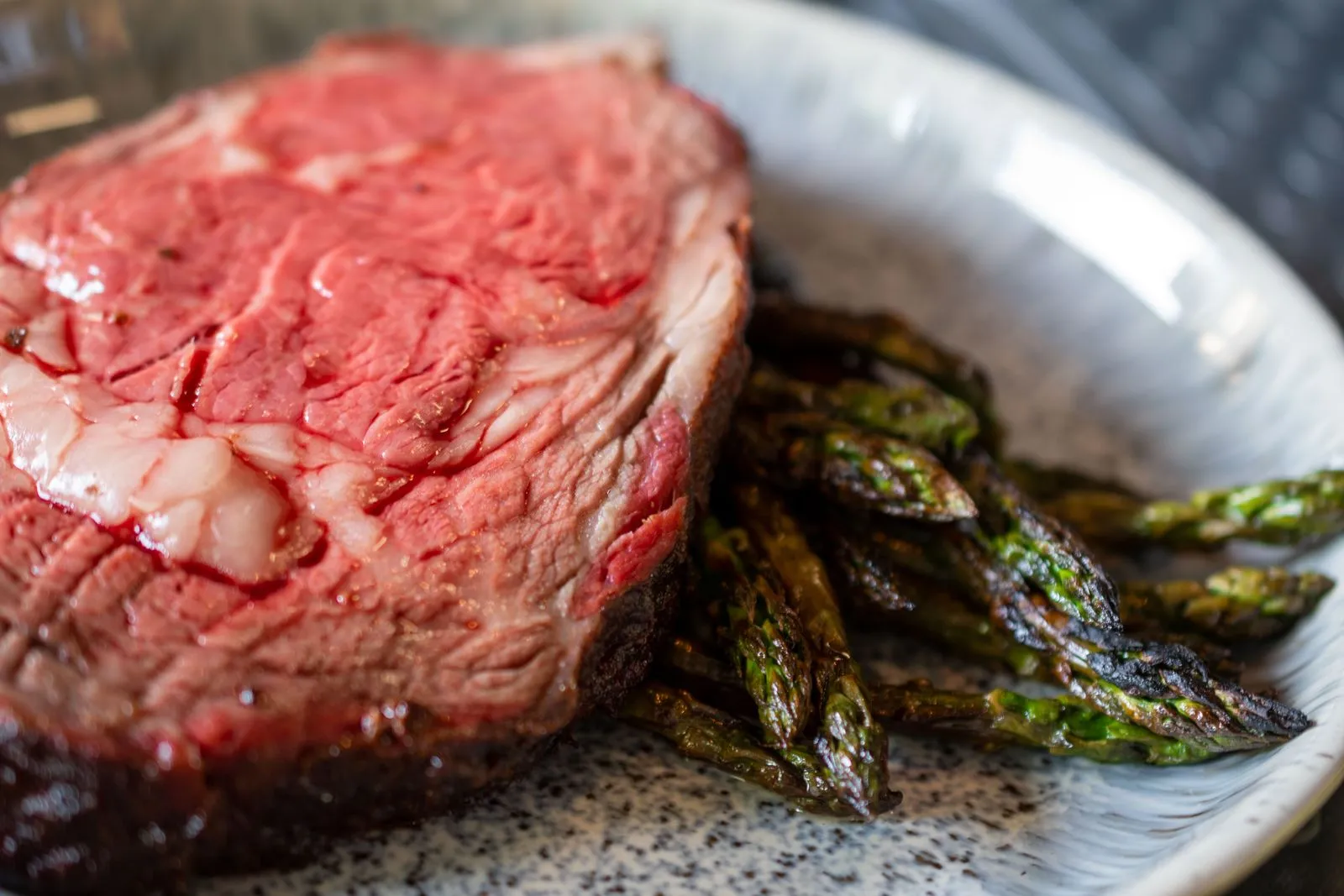
    What to eat after a PRP injection is simple: real food built on protein, meat, fish, eggs and above-ground vegetables, with sugar, refined grains and industrial seed oils left out. That is the low-carb plate in the 2026 guideline from the Society of Metabolic Health Practitioners. It lowers insulin and inflammation, the ground your platelets land in.

    Dr. Padda puts it this way: the injection is about 10% of your result, and the recovery is the other 90%. Food is a big part of that 90%. You eat about twenty meals in the first week after an injection. Each one either feeds the repair or fights it.

    Does diet affect PRP results?

    Yes, because PRP does not build anything by itself. The platelets release a signal and are cleared within days. Your own cells answer that signal. They lay down new collagen and grow new blood vessels. That is construction work, and it runs on what your blood carries.

    Two things in the blood slow that work. The first is high insulin. When insulin stays high all day, tissue leans toward storing fuel and making inflammation, not repair. The second is visceral fat, the fat packed around the organs. It acts like a gland that sends out inflammatory signals day and night.

    The guideline lists what cutting carbs does to both. It lowers high insulin. It reduces visceral fat and inflammation, in part by calming an immune switch called the NLRP3 inflammasome. Those are the same two brakes on a healing tendon or joint.

    Most people did not choose these brakes. Sugar, white flour and seed oils are the cheapest calories in the store because farm policy made them cheap. They are sold hardest where other food is hardest to find. That is a system problem. The fix still starts on your plate. If you have had PRP that did not hold, read why PRP works for some people and not others.

    What goes on the plate after PRP?

    The guideline builds a low-carb plate in a set order. Protein comes first. Fat fills the rest. Carbs stay small, under 130 grams a day and often much lower.

    • Protein first. About 25 to 30 grams of good protein at each of three meals. The guideline says that amount gives muscle its strongest signal to build, at any age.
    • A short list of real food. Meat, including organ meat, plus fish, eggs, dairy and vegetables that grow above the ground.
    • Fat until you are full. Meat, full-fat dairy, olives, avocados, butter and tallow. You eat fat to fullness, not to a number.
    • Carbs from plants, not packages. Leafy greens, tomatoes, cucumbers, zucchini and berries stay. Bread, pasta, rice, cereal, potatoes and sweet fruit come off the plate.
    • Count total carbs, not net carbs. The guideline says counting calories is not generally needed.

    Dr. Padda adds rules the guideline does not spell out. Industrial seed oils, such as soybean and corn oil, come out. Real olive oil stays. Red meat and fish are good food for his patients, not something to ration. Refined grains stay out.

    He did not always eat this way. For years he was a strict vegetarian who defended the low-fat advice he now rejects. A bite of beef on a bun at Gates Bar-B-Q in Kansas City ended that. He changed his mind because the physiology changed it, and he tells patients so.

    Should I start a low-carb diet before or after PRP?

    Talk to us first, because the low-carb start has its own rough patch. The guideline says start-up symptoms begin within 2 to 3 days. They last a few days, and sometimes 2 to 4 weeks. They include headache, tiredness, feeling light-headed, cramps and less energy for exercise.

    Those symptoms come from a real shift. As insulin falls, the kidneys let go of salt and water. For most people, the guideline’s fix is 2 to 3 grams of sodium a day. That is 5 to 7 grams of salt. Potassium comes from greens, tomatoes, cucumbers and zucchini.

    Now put that next to PRP. The first days after an injection are sore on purpose. Then comes the loading work that teaches the tissue to carry weight again. A week of cramps and low energy can land right on top of both. Planned, the two fit together. Stacked by accident, they feel like the injection failed. Tell us when you plan to change how you eat, and we time it with you.

    Can I take magnesium after a PRP injection?

    The guideline uses magnesium for one job. It treats muscle cramps during the low-carb start, when salt and water do not fix them. It names 200 to 400 mg of elemental magnesium a day. Magnesium glycinate is a form the body absorbs well. The guideline rules it out with kidney problems, pregnancy or nerve and muscle disease. Nothing in the guideline ties magnesium to PRP itself. Bring every supplement you take to your visit, and we sort out what fits your recovery.

    Can a low-carb diet cause a gout flare after PRP?

    It can, and most PRP aftercare pages never mention it. When carbs drop, ketones and uric acid leave the body through the same exit. For a while, uric acid can rise. The guideline says people with gout may flare during the switch. The rise settles over 2 to 8 weeks. The guideline tells doctors to consider preventive medicine, such as colchicine, during that window.

    Here is why it matters to a joint patient. A gout flare makes a joint hot, swollen and painful. So do the first days after PRP. In a knee or a big toe, the two can look the same. If you have ever had gout, tell us before you change your diet, and let us check your uric acid first.

    Which blood tests help before PRP?

    The guideline lists optional tests to draw before a low-carb start. Three of them matter most for a PRP patient. Fasting insulin shows how hard your body works to keep sugar down. The hs-CRP test reads general inflammation. Uric acid shows gout risk. In our clinic, a fasting insulin above 10 µIU/mL is high risk. Dr. Padda reads it on its own, because insulin climbs years before blood sugar does. Our page on why a pain clinic asks to see your bloodwork covers the rest of the panel.

    One rule has no exceptions. If you take insulin, a sulfonylurea, an SGLT2 inhibitor or blood-pressure pills, your doctor changes those doses, not you. Some of these drugs need to come down on day one when carbs drop. The first 2 to 3 days carry the highest risk of a low blood sugar on insulin.

    Pain relievers belong on that list. The guideline names NSAIDs and opioid pain medicines among the drugs that can push sodium too low in the first weeks of low-carb. Bring every pain reliever you take, store-bought ones included, so your doctor can plan the injection and the diet together.

    A word on what this guideline is. It is expert agreement, not a new clinical trial. A panel voted on each statement in rounds, and its authors did not formally grade the research. Dr. Padda holds the society’s Metabolic Health Practitioner credential. He did not write or vote on this guideline.

    The 90% is yours

    You cannot change the syringe once it is drawn. You can change the next twenty meals. Put protein at every meal. Eat real fat. Fill the rest with vegetables that grow above the ground. Leave the sugar, the flour and the seed oils at the store. Your platelets then land in a body that is ready to build. That protects the time and effort you put into the injection. It also protects a joint you want to keep using for decades.

    The full eating protocol we coach at every visit is on our page about diet and metabolic health coaching.

    Frequently asked questions

    Do I have to count calories after PRP?

    No. The guideline says tracking calories is not generally needed. Count total carbs instead of net carbs. In the guideline, low-carb means under 130 grams a day, and many people go lower.

    Is eating low-carb more expensive?

    Not by the guideline’s account. It reports that a whole-food low-carb diet costs about the same as a standard diet. It has been used in low-income communities. Eggs, ground beef and frozen greens all fit the list.

    Is a low-carb diet safe with kidney disease?

    It needs a doctor’s plan. For kidney disease, the guideline sets protein at about 0.8 grams per kilogram of body weight a day. That is lower than the usual low-carb protein goal, so the plate changes.

    Can I drink alcohol after a PRP injection?

    Leave alcohol out for the first two weeks, when the repair is at its busiest. Alcohol fragments sleep, and most tissue repair signaling runs at night. Beer and sweet mixers put back the sugar this plate takes out. Nicotine is the harder line, because it narrows the small vessels the new tissue depends on. What else the first two weeks ask of you. What shortens a PRP result.

    Sources

    • Rice SM, Buchanan LA, Calkins MW, et al. A Delphi consensus-based guideline for the implementation of therapeutic carbohydrate reduction in metabolic disorders. Journal of Metabolic Health, 2026;9(1):a152. doi.org/10.4102/jmh.v9i1.152
  • Where PRP hurts most, and what the days afterward are like

    Where PRP hurts most, and what the days afterward are like

    WHAT IT FEELS LIKE

    PRP hurts most in tendons, especially where tendon meets bone, and least in the knee and hip. The needle is not what people remember. The soreness peaks on days one and two, and most people are back to baseline by day four.

    It is not the needle people remember. It is the two or three days afterward, and how much those days differ based on what was injected.

    Why does a PRP injection hurt afterward?

    PRP works by provoking a controlled inflammatory response. That is the mechanism, not a side effect of it. A treatment that caused no reaction would be a treatment that signaled nothing. So soreness after the injection is expected and tells you something. It is also the part of the consent that is most often skimmed over.

    It gets worse before it gets better, and that is the treatment. Knowing that in advance is the difference between a normal week and a frightening one.

    Which PRP injections hurt the most?

    • Tendon, and especially an enthesis (where tendon meets bone). These are the most uncomfortable. The injection goes into a tight structure with little room to stretch. That causes real pressure pain during the injection and a strong ache for two to four days. Gluteal and patellar tendons are typically the ones people rate highest.
    • Plantar fascia. A small volume goes into dense tissue on a weight-bearing surface. It is brief and sharp. Then for a few days the first steps are worse than usual before they get better. The first step out of bed is the diagnosis. It is also the thing that tells you the treatment is working.
    • Large joints. Knee and hip are generally the easiest. The capsule (the sac around the joint) makes room for the volume, and the injection itself is brief. The ache that follows feels like fullness, not sharpness. Foot and ankle work sits between the two.
    • Spine. This is different again, because the discomfort afterward is mostly about position, not the injection site. We do not inject a level until a block has told us it is the one.
    • The blood draw. It is worth saying, because people brace for it and it is the least of the day.

    When does PRP pain peak, and how long does it last?

    Day zero is usually the easiest. The local anesthetic is still working, and people often leave feeling better than they expected. Days one and two are the peak, so clear your calendar for them. By day four most people are back to their baseline discomfort. The real benefit begins arriving over the following weeks.

    In that window, we ask you not to take an anti-inflammatory to blunt it. That is the one instruction people break. It works directly against the mechanism you have paid for. Acetaminophen, ice, and knowing it is coming are the plan.

    What pain after a PRP injection is not normal?

    Expected soreness is in proportion to the procedure, stays local, and is improving by day three or four. What is not expected: pain that gets worse after day three, fever, spreading redness, or a joint that becomes hot and more and more swollen. Those are reasons to call, not to wait it out. The expected, the uncommon, and the three that warrant a call are listed separately and kept short on purpose.

    Infection after an autologous injection (made from your own blood) done under sterile conditions is rare. Rare is not never. That is why the list exists, and why we want to hear from you.

    Ask what your site is like before the day

    Tendon, fascia, joint and spine produce genuinely different weeks. Knowing which one you are having is most of what makes it manageable.

    12174 Natural Bridge Rd, Suite 303
    St. Louis, MO 63044

    Frequently asked questions

    What should you not do after a PRP injection?

    Do not take an anti-inflammatory to blunt the soreness. PRP works by provoking a controlled inflammatory response. So an anti-inflammatory works directly against the mechanism you paid for. It is the one instruction people most often break. The plan for the sore days is acetaminophen, ice, and knowing the ache is coming.

    How many days should I rest after a PRP injection?

    Plan around the first two days after the injection. The day of the injection is usually the easiest, because the local anesthetic is still working. Days one and two are the peak of the soreness, so clear your calendar for them. By day four most people are back to their baseline discomfort. The benefit starts arriving over the following weeks.

    Can a PRP injection go wrong?

    Infection after an autologous injection done under sterile conditions is rare, but rare is not never. Call us rather than waiting it out if pain gets worse after day three. Also call if you have a fever, spreading redness, or a joint that turns hot and keeps swelling. Normal soreness is in proportion to the procedure, stays local, and is improving by day three or four.

    Sources

    • Fucaloro SP et al. Platelet-Rich Plasma Injections for Foot and Ankle Pathologies Have Significantly More Complications Compared With Hyaluronic Acid Injections, Saline Solution Injections, and Dry Needling: A Systematic Review. Arthroscopy : the journal of arthroscopic & related surgery : official publication of the Arthroscopy Association of North America and the International Arthroscopy Association, 2025. PubMed 40209826
    • Collins T et al. Platelet-rich plasma: a narrative review. EFORT open reviews, 2021. PubMed 34040800
    • Kon E et al. Platelet-rich plasma injections for the management of knee osteoarthritis: The ESSKA-ICRS consensus. Recommendations using the RAND/UCLA appropriateness method for different clinical scenarios. Knee surgery, sports traumatology, arthroscopy : official journal of the ESSKA, 2024. PubMed 38961773
    • Wu WS et al. Platelet-Rich Plasma (PRP): Molecular Mechanisms, Actions and Clinical Applications in Human Body. International journal of molecular sciences, 2025. PubMed 41226837
  • Why PRP works for some people and not others

    Why PRP works for some people and not others

    RESPONDERS

    PRP works for some people and not others because three things vary. One is what was in the syringe. One is whether the injection hit the structure making the pain. One is the metabolic capacity of the person doing the healing. The largest of the three is your metabolic state, and it can be measured before the needle.

    Two people get the same injection into the same joint at the same grade. One improves for a year. The other reports nothing. That gap is not random, and most of it can be known before the needle.

    Why do PRP results vary so much from person to person?

    The first is what was in the syringe. Preparation systems differ in platelet yield by several fold. They differ in leukocyte (white blood cell) content by design, and in whether the product is activated. Two clinics can hand you the same word and deliver biology that differs in ways that matter. And the dose that reaches the tissue tracks with the outcome. The leukocyte question alone changes the direction of the effect in some tissues.

    The second is the target. A joint injected without knowing which structure makes the pain is a coin toss dressed up as a procedure. Facet pain is a diagnosis you make with a needle, not a scan, and a disc that hurts and a disc that looks bad are not the same disc.

    The third is you. Nobody talks about this one, because it is the hardest to market and it matters the most.

    Does your health affect how well PRP works?

    PRP does not repair anything. It sends a signal; your cells do the repair. So the capacity of those cells is the ceiling on the result, and that capacity can be measured.

    Type 2 diabetes changes tendon homeostasis (how a tendon keeps itself in balance) directly. Collagen cross-linking, matrix turnover and the cell response to injury are all altered. Orthopedic outcomes across procedures are consistently worse when the disease is poorly controlled. Insulin resistance short of diabetes moves the same levers more quietly. Add smoking, which impairs the blood supply through tiny vessels that the repair depends on. Add chronic short sleep, which suppresses repair signaling that happens mostly at night. Now you have most of the variance that gets blamed on the injection.

    None of that is a lecture about discipline. Access to food, shift work and the cost of both are doing a share of it. A plan that ignores that is a plan for somebody else. But it is the reason we ask for bloodwork before we quote you a probability. Why a pain clinic asks to see your bloodwork.

    What do we check before recommending PRP?

    • HbA1c and fasting insulin. Not to turn you away. We want to know what we are working with, and to tell you honestly what it does to the odds.
    • Vitamin D and thyroid function. Both affect connective-tissue repair, and both can be corrected.
    • What you are taking. Steady anti-inflammatory use around the treatment window works against the process you are paying for.
    • Prior corticosteroid exposure at the site, and how recent it was. The two are not interchangeable and the sequence matters.
    • What the tissue actually is. A cuff tear with fatty infiltration (muscle replaced by fat) and a tendinopathy are different problems. The tear is only half the diagnosis.

    The uncomfortable version

    I spent years blaming uneven results on the preparation. That is because it is the part a physician controls, and the part that is interesting. It is real, but it is not the largest factor. The largest factor is the metabolic state of the person on the table, and I was not measuring it.

    So the most useful thing you can do before a regenerative treatment is not picking a clinic with a better centrifuge. It is showing up with the terrain in better shape than it is now. There is usually more room there than anyone has told you.

    Find out what your odds actually depend on

    Preparation, target and terrain. We can tell you which of the three is limiting your result before you spend anything on the injection.

    12174 Natural Bridge Rd, Suite 303
    St. Louis, MO 63044

    Frequently asked questions

    Why is PRP not working for me?

    Three things decide whether PRP works. One is what was in the syringe. One is whether the injection reached the structure actually making the pain. One is your metabolic capacity to heal. Preparation systems differ in platelet yield and leukocyte content. A joint injected without knowing the pain source is a coin toss. The largest of the three is your metabolic state, because PRP only signals; your own cells do the repair.

    Who is not a good candidate for PRP?

    We do not use bloodwork to turn people away. We check HbA1c and fasting insulin, vitamin D, thyroid function, your medications and any cortisone at the site. That way we know what we are working with and can tell you honestly what it does to the odds. Poorly controlled type 2 diabetes, smoking and chronic short sleep all lower the ceiling on the result.

    What happens if a PRP injection doesn’t work?

    We look at which of the three was limiting your result: the preparation, the target or the terrain. Often the most useful next step is not a clinic with a better centrifuge. It is showing up with your metabolic health in better shape than it is now. There is usually more room there than anyone has told you. Vitamin D and thyroid function can both be corrected.

    Sources

    • Nichols AEC et al. Effects of Type II Diabetes Mellitus on Tendon Homeostasis and Healing. Journal of orthopaedic research : official publication of the Orthopaedic Research Society, 2020. PubMed 31166037
    • Wukich DK. Diabetes and its negative impact on outcomes in orthopaedic surgery. World journal of orthopedics, 2015. PubMed 25893176
    • Berrigan WA et al. A Greater Platelet Dose May Yield Better Clinical Outcomes for Platelet-Rich Plasma in the Treatment of Knee Osteoarthritis: A Systematic Review. Arthroscopy : the journal of arthroscopic & related surgery : official publication of the Arthroscopy Association of North America and the International Arthroscopy Association, 2025. PubMed 38513880
    • Kon E et al. The chimera of reaching a universal consensus on platelet-rich plasma treatment for knee osteoarthritis: a review of recent consensus statements and expert opinion. Expert opinion on biological therapy, 2024. PubMed 39073848
    • Shen YP et al. Outcome predictors of platelet-rich plasma injection for moderate carpal tunnel syndrome. International journal of clinical practice, 2021. PubMed 34107143
  • How long does PRP last?

    How long does PRP last?

    HOW LONG

    How long PRP lasts depends on the tissue. In a well-chosen knee, PRP improvement is measured in months, not weeks. It is commonly still present at a year, and it is not permanent. The platelets are cleared within days. What holds is the change they signaled.

    The question people mean is not how long the platelets survive. It is how long the change they made holds. Those are different clocks with different answers.

    The platelets are gone in days

    Injected platelets release their contents (degranulate) within hours and are cleared within days. If PRP worked by the platelets staying put, the effect would end that week. It does not. That tells you the platelets themselves are not the mechanism. What they signal is. They shift the local environment toward repair. They change how the synovium (the joint lining) behaves. And they call in the cells that actually do the work.

    That is why the effect takes weeks to arrive. It is also why it often gets worse before it gets better. You are not waiting for a drug to kick in. You are waiting for tissue to respond.

    What the comparative trials show

    The most useful comparison is against corticosteroid, because the two curves differ in shape, not just height. Steroid works faster and fades. PRP is slower to arrive and tends to still be doing something at six and twelve months. Meta-analyses comparing PRP with hyaluronic acid in knee osteoarthritis point the same way. The gap between the two widens at the later time points, not the early ones.

    So a fair expectation for a well-chosen knee is this. Improvement is measured in months, not weeks. It is commonly still present at a year. And it is not permanent. One of these works faster and the other tends to still be working.

    Why “how long” is the wrong frame for a tendon

    In a joint, PRP changes an environment that keeps getting loaded. So the effect fades as the joint keeps doing what it was doing. In a tendon the goal is different. You are trying to turn a failed healing response into a finished one. When that works, the question of how long partly goes away. A tendon that has remodeled is not on a countdown.

    When it does not work, the common error is to repeat the injection without changing the load that caused the problem. The tendon is not inflamed, and the loading pattern is doing more than the syringe.

    What shortens it

    • Continuing the load that caused it, unchanged. This is the most common reason a good result does not hold.
    • Advanced structural disease. A joint with very little cartilage left has less to work with. Being honest about that is part of the consent. A replacement is a very good operation, and timing it is your decision.
    • Metabolic terrain. Insulin resistance and poor blood sugar control measurably impair tendon and connective-tissue healing. This is the factor most often left out. It is also the one most open to change. It is why we look at your bloodwork.

    And one thing does not shorten it: having had the injection before. Repeat treatment is a clinical decision based on what happened. It is not a diminishing-returns rule.

    Ask what would make it last longer

    Duration is partly the preparation and mostly the terrain and the load. Two of those three are things we can change.

    12174 Natural Bridge Rd, Suite 303
    St. Louis, MO 63044

    Sources

    • McLarnon M et al. Intra-articular platelet-rich plasma injections versus intra-articular corticosteroid injections for symptomatic management of knee osteoarthritis: systematic review and meta-analysis. BMC musculoskeletal disorders, 2021. PubMed 34134679
    • Han Y et al. Meta-analysis Comparing Platelet-Rich Plasma vs Hyaluronic Acid Injection in Patients with Knee Osteoarthritis. Pain medicine (Malden, Mass.), 2019. PubMed 30849177
    • Eymard F et al. Intra-articular injections of platelet-rich plasma in symptomatic knee osteoarthritis: a consensus statement from French-speaking experts. Knee surgery, sports traumatology, arthroscopy : official journal of the ESSKA, 2021. PubMed 32583023
    • Wang C et al. Efficacy and safety of platelet-rich plasma injections for the treatment of knee osteoarthritis: a systematic review and meta-analysis of randomized controlled trials. European journal of medical research, 2025. PubMed 41107915
    • Nichols AEC et al. Effects of Type II Diabetes Mellitus on Tendon Homeostasis and Healing. Journal of orthopaedic research : official publication of the Orthopaedic Research Society, 2020. PubMed 31166037
  • How many PRP injections do you actually need?

    How many PRP injections do you actually need?

    HOW MANY

    How many PRP injections you need is not fixed, and there is no magic in a series of three. The number is a clinical call. It is based on your tissue and how you respond. Anyone who quotes you a course before they examine you is selling a package. They are not planning treatment.

    Where the number three came from

    Mostly from habit and from how clinics book, not from a trial that tested three against two. It became the default answer because it is a tidy thing to say and an easy thing to book.

    What the evidence does support is narrower and more useful. In knee osteoarthritis, studies that compared them found that several shots did better than one. A separate line of research finds that the total platelet dose given correlates with outcome. Those are two different claims. The first is about repeat shots. The second is about how much you actually got. A clinic with a weak (low-yield) prep may need three shots to reach what another gives in one.

    That is why the question “how many” has no answer until you know what is in the syringe. Two syringes labeled PRP can behave in opposite directions, and that is most of why the trials disagree.

    What actually decides it

    • The tissue. A tendon and a joint do not behave the same way. A tendon rebuilds (remodels) over months. That makes a second shot more likely to make sense. A shot into the knee joint (intra-articular) is judged in a different way. Each tissue has its own clock.
    • What the first one did. This is the honest driver. A meaningful partial response at six to eight weeks is the best case for a second. No response at all is a reason to recheck the diagnosis, not to repeat the shot.
    • The stage of the joint. The knee is where this treatment has the most to stand on. The early grades respond better than the late ones.
    • Your terrain. The biology doing the repair is yours. Why a pain clinic asks to see your bloodwork is not a side topic here. It is the factor most likely to be holding back the result.

    Our position, stated plainly

    We do not pre-book a course. Intervals are scheduling facts. Quantities are clinical calls, and we make that call after we see what the tissue did. Say you are told at the first visit that you need exactly three. Ask what would change that number. A good answer exists. If none is offered, the number was not clinical.

    The flip side is the part people like less. Sometimes the honest answer after one shot is that this is the wrong treatment for your problem. A second one will not fix that. Being told you are not a candidate is the point of asking.

    What the consensus documents say

    Expert consensus and guideline groups now agree that PRP is a reasonable option in knee osteoarthritis. They are also clear about a limit. Preps and protocols vary (heterogeneity). That limits how precisely anyone can set a regimen. That is an honest position, and it is the one we hold. The evidence backs the treatment more firmly than it backs any one schedule.

    It is worth separating two things that get mixed up. PRP is not covered by most payers. That is a budget decision. It says nothing about how strong the evidence is, and not covered is not the same as unproven.

    The number comes after the examination

    What tissue, what stage, what your first response was. Those decide how many, and none of them can be answered over the phone.

    12174 Natural Bridge Rd, Suite 303
    St. Louis, MO 63044

    Sources

    • Tao X et al. Three Doses of Platelet-Rich Plasma Therapy Are More Effective Than One Dose of Platelet-Rich Plasma in the Treatment of Knee Osteoarthritis: A Systematic Review and Meta-analysis. Arthroscopy : the journal of arthroscopic & related surgery : official publication of the Arthroscopy Association of North America and the International Arthroscopy Association, 2023. PubMed 37236291
    • Berrigan WA et al. A Greater Platelet Dose May Yield Better Clinical Outcomes for Platelet-Rich Plasma in the Treatment of Knee Osteoarthritis: A Systematic Review. Arthroscopy : the journal of arthroscopic & related surgery : official publication of the Arthroscopy Association of North America and the International Arthroscopy Association, 2025. PubMed 38513880
    • Kim JH et al. Are leukocyte-poor or multiple injections of platelet-rich plasma more effective than hyaluronic acid for knee osteoarthritis? A systematic review and meta-analysis of randomized controlled trials. Archives of orthopaedic and trauma surgery, 2023. PubMed 36173473
    • Kon E et al. Platelet-rich plasma injections for the management of knee osteoarthritis: The ESSKA-ICRS consensus. Recommendations using the RAND/UCLA appropriateness method for different clinical scenarios. Knee surgery, sports traumatology, arthroscopy : official journal of the ESSKA, 2024. PubMed 38961773
    • Kon E et al. The chimera of reaching a universal consensus on platelet-rich plasma treatment for knee osteoarthritis: a review of recent consensus statements and expert opinion. Expert opinion on biological therapy, 2024. PubMed 39073848