What to eat after PRP · St. Louis
What to eat after a PRP injection is simple: real food built on protein, meat, fish, eggs and above-ground vegetables, with sugar, refined grains and industrial seed oils left out. That is the low-carb plate in the 2026 guideline from the Society of Metabolic Health Practitioners. It lowers insulin and inflammation, the ground your platelets land in.
Dr. Padda puts it this way: the injection is about 10% of your result, and the recovery is the other 90%. Food is a big part of that 90%. You eat about twenty meals in the first week after an injection. Each one either feeds the repair or fights it.
Does diet affect PRP results?
Yes, because PRP does not build anything by itself. The platelets release a signal and are cleared within days. Your own cells answer that signal. They lay down new collagen and grow new blood vessels. That is construction work, and it runs on what your blood carries.
Two things in the blood slow that work. The first is high insulin. When insulin stays high all day, tissue leans toward storing fuel and making inflammation, not repair. The second is visceral fat, the fat packed around the organs. It acts like a gland that sends out inflammatory signals day and night.
The guideline lists what cutting carbs does to both. It lowers high insulin. It reduces visceral fat and inflammation, in part by calming an immune switch called the NLRP3 inflammasome. Those are the same two brakes on a healing tendon or joint.
Most people did not choose these brakes. Sugar, white flour and seed oils are the cheapest calories in the store because farm policy made them cheap. They are sold hardest where other food is hardest to find. That is a system problem. The fix still starts on your plate. If you have had PRP that did not hold, read why PRP works for some people and not others.
What goes on the plate after PRP?
The guideline builds a low-carb plate in a set order. Protein comes first. Fat fills the rest. Carbs stay small, under 130 grams a day and often much lower.
- Protein first. About 25 to 30 grams of good protein at each of three meals. The guideline says that amount gives muscle its strongest signal to build, at any age.
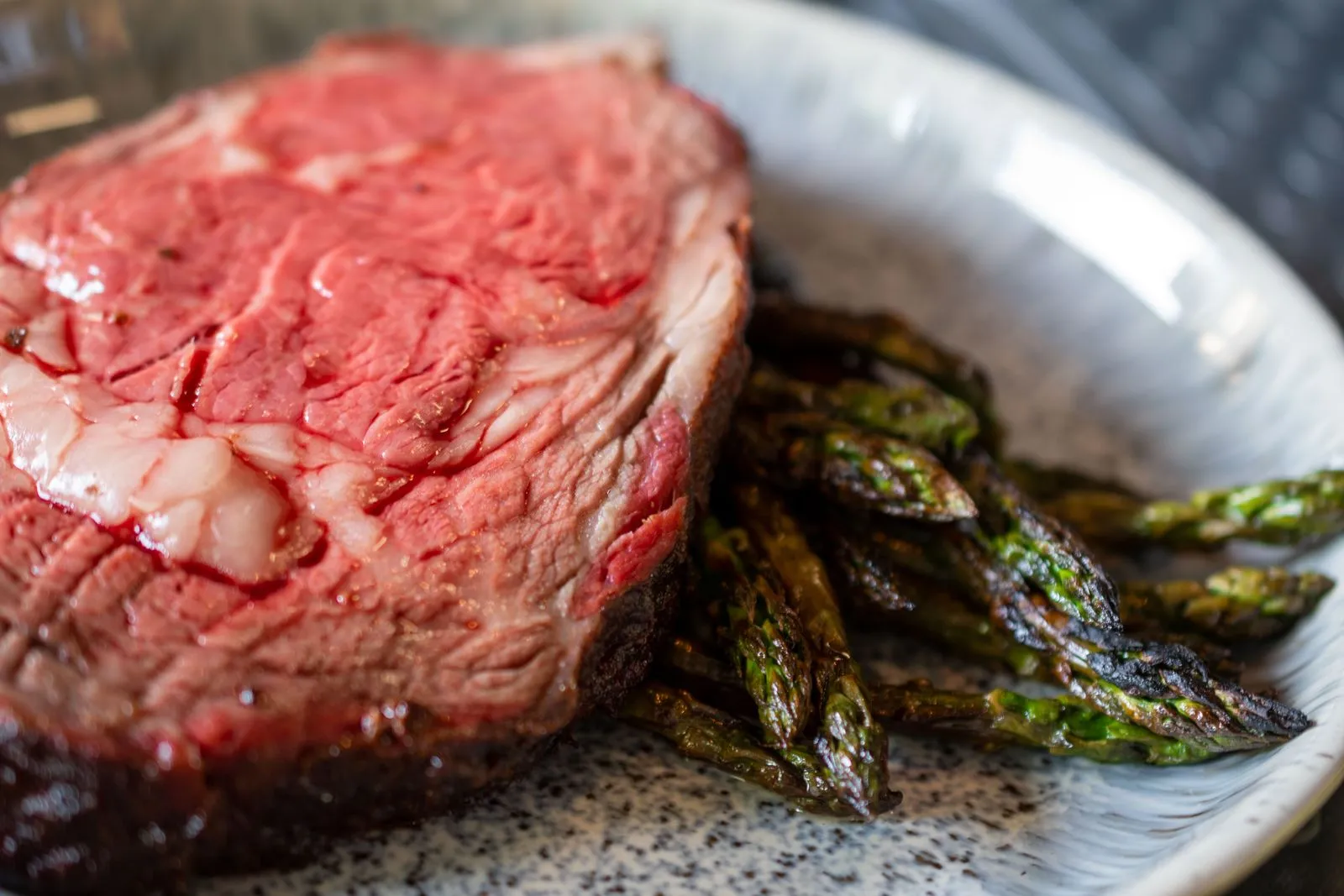
- A short list of real food. Meat, including organ meat, plus fish, eggs, dairy and vegetables that grow above the ground.
- Fat until you are full. Meat, full-fat dairy, olives, avocados, butter and tallow. You eat fat to fullness, not to a number.
- Carbs from plants, not packages. Leafy greens, tomatoes, cucumbers, zucchini and berries stay. Bread, pasta, rice, cereal, potatoes and sweet fruit come off the plate.
- Count total carbs, not net carbs. The guideline says counting calories is not generally needed.
Dr. Padda adds rules the guideline does not spell out. Industrial seed oils, such as soybean and corn oil, come out. Real olive oil stays. Red meat and fish are good food for his patients, not something to ration. Refined grains stay out.
He did not always eat this way. For years he was a strict vegetarian who defended the low-fat advice he now rejects. A bite of beef on a bun at Gates Bar-B-Q in Kansas City ended that. He changed his mind because the physiology changed it, and he tells patients so.
Should I start a low-carb diet before or after PRP?
Talk to us first, because the low-carb start has its own rough patch. The guideline says start-up symptoms begin within 2 to 3 days. They last a few days, and sometimes 2 to 4 weeks. They include headache, tiredness, feeling light-headed, cramps and less energy for exercise.
Those symptoms come from a real shift. As insulin falls, the kidneys let go of salt and water. For most people, the guideline’s fix is 2 to 3 grams of sodium a day. That is 5 to 7 grams of salt. Potassium comes from greens, tomatoes, cucumbers and zucchini.
Now put that next to PRP. The first days after an injection are sore on purpose. Then comes the loading work that teaches the tissue to carry weight again. A week of cramps and low energy can land right on top of both. Planned, the two fit together. Stacked by accident, they feel like the injection failed. Tell us when you plan to change how you eat, and we time it with you.
Can I take magnesium after a PRP injection?
The guideline uses magnesium for one job. It treats muscle cramps during the low-carb start, when salt and water do not fix them. It names 200 to 400 mg of elemental magnesium a day. Magnesium glycinate is a form the body absorbs well. The guideline rules it out with kidney problems, pregnancy or nerve and muscle disease. Nothing in the guideline ties magnesium to PRP itself. Bring every supplement you take to your visit, and we sort out what fits your recovery.
Can a low-carb diet cause a gout flare after PRP?
It can, and most PRP aftercare pages never mention it. When carbs drop, ketones and uric acid leave the body through the same exit. For a while, uric acid can rise. The guideline says people with gout may flare during the switch. The rise settles over 2 to 8 weeks. The guideline tells doctors to consider preventive medicine, such as colchicine, during that window.
Here is why it matters to a joint patient. A gout flare makes a joint hot, swollen and painful. So do the first days after PRP. In a knee or a big toe, the two can look the same. If you have ever had gout, tell us before you change your diet, and let us check your uric acid first.
Which blood tests help before PRP?
The guideline lists optional tests to draw before a low-carb start. Three of them matter most for a PRP patient. Fasting insulin shows how hard your body works to keep sugar down. The hs-CRP test reads general inflammation. Uric acid shows gout risk. In our clinic, a fasting insulin above 10 µIU/mL is high risk. Dr. Padda reads it on its own, because insulin climbs years before blood sugar does. Our page on why a pain clinic asks to see your bloodwork covers the rest of the panel.
One rule has no exceptions. If you take insulin, a sulfonylurea, an SGLT2 inhibitor or blood-pressure pills, your doctor changes those doses, not you. Some of these drugs need to come down on day one when carbs drop. The first 2 to 3 days carry the highest risk of a low blood sugar on insulin.
Pain relievers belong on that list. The guideline names NSAIDs and opioid pain medicines among the drugs that can push sodium too low in the first weeks of low-carb. Bring every pain reliever you take, store-bought ones included, so your doctor can plan the injection and the diet together.
A word on what this guideline is. It is expert agreement, not a new clinical trial. A panel voted on each statement in rounds, and its authors did not formally grade the research. Dr. Padda holds the society’s Metabolic Health Practitioner credential. He did not write or vote on this guideline.
The 90% is yours
You cannot change the syringe once it is drawn. You can change the next twenty meals. Put protein at every meal. Eat real fat. Fill the rest with vegetables that grow above the ground. Leave the sugar, the flour and the seed oils at the store. Your platelets then land in a body that is ready to build. That protects the time and effort you put into the injection. It also protects a joint you want to keep using for decades.
The full eating protocol we coach at every visit is on our page about diet and metabolic health coaching.
Frequently asked questions
Do I have to count calories after PRP?
No. The guideline says tracking calories is not generally needed. Count total carbs instead of net carbs. In the guideline, low-carb means under 130 grams a day, and many people go lower.
Is eating low-carb more expensive?
Not by the guideline’s account. It reports that a whole-food low-carb diet costs about the same as a standard diet. It has been used in low-income communities. Eggs, ground beef and frozen greens all fit the list.
Is a low-carb diet safe with kidney disease?
It needs a doctor’s plan. For kidney disease, the guideline sets protein at about 0.8 grams per kilogram of body weight a day. That is lower than the usual low-carb protein goal, so the plate changes.
Can I drink alcohol after a PRP injection?
Leave alcohol out for the first two weeks, when the repair is at its busiest. Alcohol fragments sleep, and most tissue repair signaling runs at night. Beer and sweet mixers put back the sugar this plate takes out. Nicotine is the harder line, because it narrows the small vessels the new tissue depends on. What else the first two weeks ask of you. What shortens a PRP result.
Sources
- Rice SM, Buchanan LA, Calkins MW, et al. A Delphi consensus-based guideline for the implementation of therapeutic carbohydrate reduction in metabolic disorders. Journal of Metabolic Health, 2026;9(1):a152. doi.org/10.4102/jmh.v9i1.152